How To Relieve and Clear Sinus Pressure
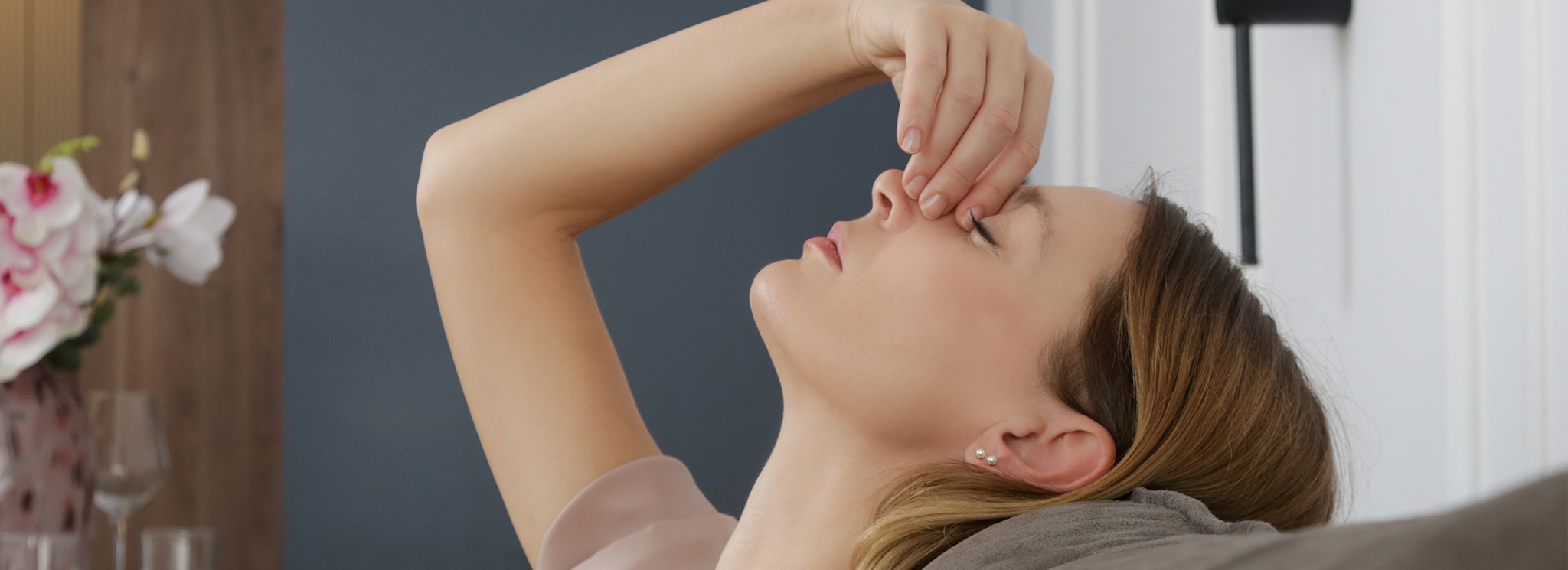
Sinus pressure causes discomfort or pain when swollen or blocked sinus cavities trigger it. It often occurs with allergies, colds, or sinus infections.
When something obstructs the sinus passages, mucus builds up and increases pressure in the nasal area.
We will explore symptoms, relief, and prevention in this blog.
What Are The Sinus Pressure Symptoms?
Sinus pressure symptoms can vary from person to person, but some common signs include:
- Facial Pain or Pressure
- Nasal Congestion
- Headaches
- Post-Nasal Drip
- Reduced Sense of Smell or Taste
- Cough
- Sore Throat
- Ear Pain or Pressure
- Fatigue
How To Clean Your Sinuses?
Cleaning your sinuses can help alleviate discomfort and promote better breathing. Here are a few effective methods you can try:
Saline Nasal Rinse:
– Mix about 1 teaspoon of salt with 2 cups of warm distilled or boiled water.
– Use a neti pot, bulb syringe, or a saline spray to gently irrigate your nasal passages. Angle your head sideways and gently pour the mixture into one nostril, letting it flow through and drain from the other.
Steam Inhalation:
– Bring water to a boil and carefully transfer the steaming water into a bowl. For extra comfort, add a few drops of essential oils, such as eucalyptus or peppermint.
– Bend over the bowl with a towel covering your head to hold in the steam. Inhale deeply for about 10-15 minutes to help loosen mucus.
Over-the-Counter Medications:
– Decongestants or antihistamines can provide temporary relief from sinus congestion, especially if allergies are the cause. Always consult a healthcare professional before starting any medications.
How Can You Relieve Sinus Pressure?
You can relieve sinus pressure through several methods. Here are some simple home remedies:
- Drink Plenty of Fluids
- Steam Inhalation
- Saline Nasal Spray
- Warm Compress
- Over-the-Counter Medications such as Pain Relievers
- Decongestant Sprays
- Elevate Your Head
- Avoid Irritants
- Essential Oils
Preventative Actions To Help Your Sinuses
Adding these habits to your daily routine can support healthier sinuses and lower the chance of discomfort.
- Stay Hydrated
- Use a Humidifier – This Helps Thin The Mucus
- Use an Air Purifier
- Take a Daily Antihistamine
- Practice Good Hygiene
- Allergy Management
- Nasal Irrigation
- Avoid Smoking and Irritants
- Healthy Diet
- Regular Exercise
- Manage Stress
- Consult a Doctor
What Causes a Sinus Infection?
Understanding these causes can help in preventing sinus infections and managing symptoms more effectively. A sinus infection, or sinusitis, can be caused by several factors, including:
- Viral Infections
- Bacterial Infections
- Allergies
- Nasal Polyps
- Deviated Septum
- Environmental Factors
- Weakened Immune System
- Dental Infections
What Are The Symptoms of a Sinus Infection?
The symptoms of a sinus infection, also known as sinusitis, can vary in severity and duration. Common symptoms include:
- Facial Pain or Pressure
- Nasal Congestion
- Thick, Discolored Nasal Discharge
- Headaches
- Reduced Sense of Smell or Taste
- Cough
- Ear Pain or Pressure
- Fever
- Fatigue
If you think you have a sinus infection and your symptoms are severe, see a doctor. If your symptoms last a long time, seek medical care for diagnosis and treatment.
When To See a Doctor If You Are Suffering From Constant Sinus Infections?
If you are suffering from constant sinus infections, it’s important to know when to see a doctor. You should consider making an appointment if you experience any of the following:
- Frequent Infections
- Severe Symptoms
- Persistent Symptoms
- Recurring Fever
- Vision Changes
- Shortness of Breath
- Nasal Discharge
- Chronic Nasal Congestion
Seeing a healthcare professional can help find the cause of recurrent sinus infections. They can discuss treatment options and may refer you to an ear, nose, and throat specialist (ENT).