
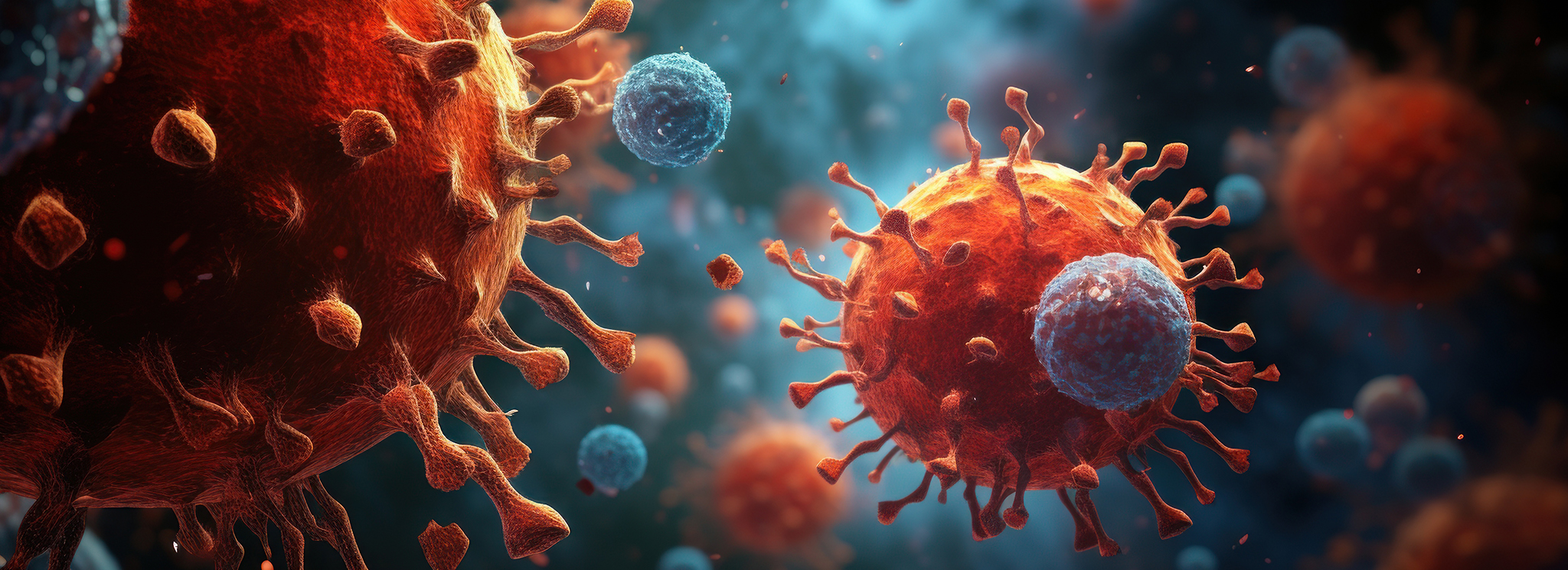
Viral vs Bacterial Infections: Key Differences
In today’s world, understanding the differences between viral and bacterial infections is more crucial than ever. With new illnesses and global health challenges, staying informed helps you recognize symptoms. It also helps you seek proper treatment and use effective prevention strategies.
While both infections can cause many health problems, they differ in structure, behavior, and treatment. In this blog post, we will explore key differences between viral and bacterial infections.
We will explain how they spread and which symptoms to watch for. We will also cover how doctors diagnose and treat them. By the end of this discussion, you’ll better understand these common but complex infections. This will help you take steps to protect your health.
What Are Viruses and Bacteria?
Viruses:
- Extremely small infectious particles (smaller than bacteria).
- Not made of cells and can’t reproduce without a host.
- Invade a host cell and use the cell’s machinery to make more virus.
Bacteria:
- Living, single-celled organisms.
- Can survive and reproduce in many environments (including on/inside the human body).
- Many are harmless or helpful (for example, bacteria that support digestion).
Key differences:
- Structure: Viruses are simpler; bacteria have full cell structures.
- Survival: Viruses need a host; bacteria can live independently.
- Role in health: Some bacteria are beneficial; viruses are generally associated with infection.
How Do Viral and Bacterial Infections Spread?
Shared transmission routes (both can spread this way):
- Close contact with an infected person.
- Touching contaminated surfaces and then touching your eyes, nose, or mouth.
- Exposure to certain bodily fluids (depending on the infection).
Common viral spread:
- Respiratory droplets from coughing, sneezing, or talking.
- Airborne spread for some viruses in specific situations.
Common bacterial spread:
- Contaminated food or water (foodborne illness).
- Direct contact with infected skin or wounds.
- Spread from one body area to another (for example, some sinus/ear infections).
Common Examples of Viral vs Bacterial Infections
Viral infections:
- Common cold
- Influenza (flu)
- COVID-19
Bacterial infections:
- Strep throat (group A strep)
- Some urinary tract infections (UTIs)
- Tuberculosis
- Important note: Some illnesses can be caused by viruses or bacteria. Sometimes they start as one and lead to complications from the other. Symptoms alone are not always enough to tell.
Symptoms: How to Tell Viral and Bacterial Infections Apart
Why it’s tricky: Many symptoms overlap (fever, fatigue, headache), so patterns and testing often matter.
More common with viral infections:
- Runny nose or congestion
- Cough (often with other old-like symptoms)
- Body aches, fatigue, headache
- Symptoms that feel widespread (systemic)
More common with bacterial infections:
- Localized pain (for example, one ear, one sinus area, pain with urination)
- Swelling, redness, and warmth near a specific site
- Worsening symptoms after initial improvement (in some cases)
- High fever can occur in both, but may be more pronounced in some bacterial infections
- Best practice: If symptoms are severe, last, or seem unusual, a clinician can help. A clinician can tell if you have a viral or bacterial infection.
Diagnosis: How Doctors Identify the Cause
Step 1: Medical history + physical exam (timing, exposure, symptom pattern, exam findings).
Common tests that help distinguish viral vs bacterial infections:
- Rapid tests: For certain viral infections (for example, flu) or bacterial infections (for example, rapid strep).
- Swabs and cultures: Grow bacteria from a sample (such as a throat swab) to identify the organism.
- Blood tests: Look for inflammation/infection markers and patterns that may suggest a cause.
- Urine tests: Often used when a UTI is suspected.
- Imaging (when needed): Used in selected cases to evaluate complications or deeper infections.
- Goal: Identify the cause so treatment targets the right organism (and avoids unnecessary antibiotics).
Treatment: Viral vs Bacterial Infections
Viral infections (general approach):
- Supportive care: Rest, hydration, and symptom relief.
- Over-the-counter options: Medicines for fever, aches, congestion, or cough (as appropriate).
- Antivirals (sometimes): Used for specific viruses and situations (for example, influenza in certain cases, HIV, herpes viruses).
- Typical course: Many viral infections improve on their own over time.
Bacterial infections (general approach):
- Antibiotics (when indicated): Often needed, depending on the site and severity.
- Finish the course: Take antibiotics exactly as prescribed if they’re started.
- Supportive care still helps: Pain control, fluids, and rest can be important alongside antibiotics.
- Not always antibiotics: Some mild bacterial infections can resolve without antibiotics, and clinicians may recommend watchful waiting in selected situations.
Antibiotic resistance (why correct treatment matters):
- Antibiotics don’t work on viruses.
- Unnecessary antibiotic use can promote resistant bacteria.
- Resistance can make future bacterial infections harder to treat.
Prevention: Protecting Yourself from Infections
Everyday prevention that helps with both viral and bacterial infections:
- Wash your hands with soap and water for at least 20 seconds.
- Avoid touching your face with unwashed hands.
- Clean and disinfect high-touch surfaces.
- Limit close contact with people who are sick when possible.
- Vaccination (especially important for many viral infections). Helps prevent illness or reduce the severity of certain infections (for example, flu).
- Cook foods to safe temperatures.
- Avoid cross-contamination in the kitchen.
- Refrigerate perishables promptly.
- Get adequate sleep.
- Eat a balanced diet.
- Exercise regularly.
When to Seek Medical Care
- It persists or worsens after a few days.
- Are severe or rapidly getting worse.
- Return after you start to feel better.
- High fever
- Severe pain, swelling, or redness
- Difficulty breathing or persistent/worsening cough
- Signs of dehydration (especially in children or older adults)
- Confusion or extreme drowsiness
Key Takeaways
- Viruses need a host cell to reproduce; bacteria can live independently.
- Because symptoms overlap, you may need testing to confirm the cause.
- Antibiotics treat bacterial infections, not viral infections.
- Misusing antibiotics can contribute to antibiotic resistance.
- Hand hygiene, vaccines (when available), and food safety reduce infection risk.